What Are Fecon Mulcher Teeth Used For in Forestry Work
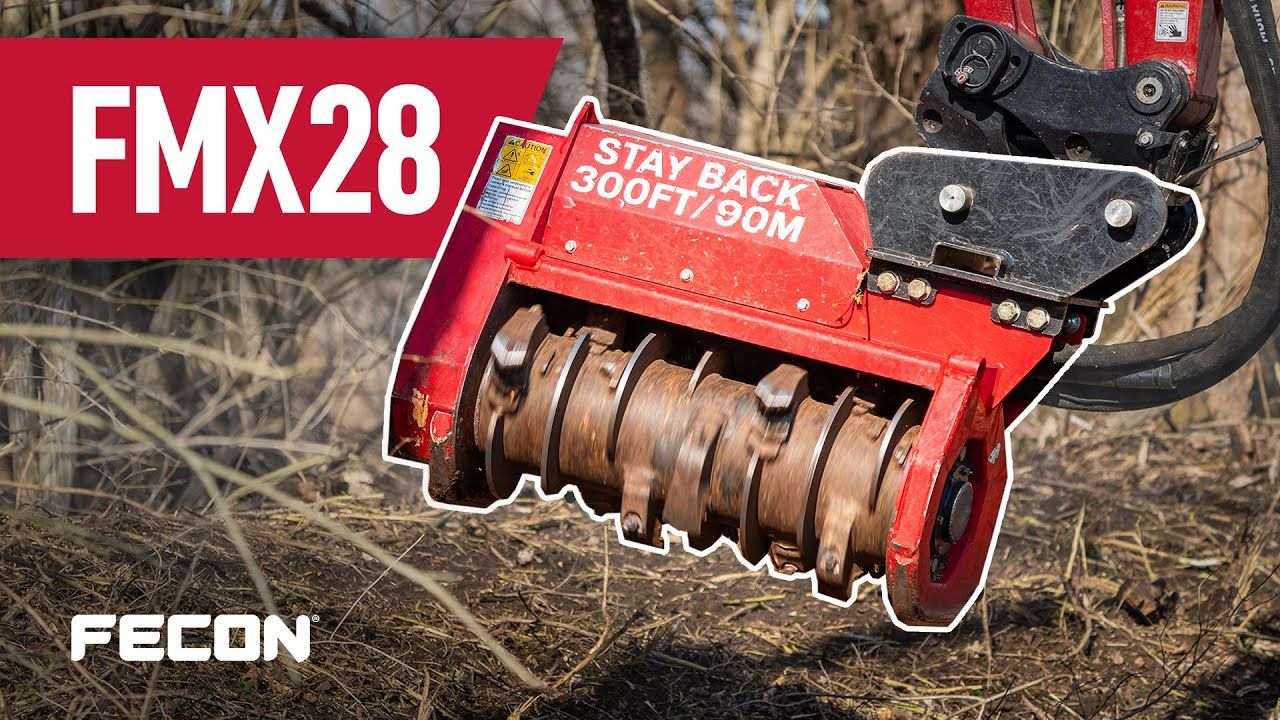
The fecon mulcher teeth are used in forest mulching equipment. This type of equipment is specifically designed to clear land by cutting down trees, bushes, and other vegetation. Teeth are those components that will come into direct contact with the material being cut. In forests, the area varies from place to place. Some areas have soft brush, while others include thick trunks or mixed ground with rocks. This is why different tooth designs exist. Suppliers such as JYF Machinery produce replacement teeth that match these varying field conditions, including those used on Fecon systems.
Cutting Role in the Machine
The Fecon mulching teeth are fitted on a rotating drum in the device. The impact of the teeth hitting the vegetation, breaking it down into smaller parts, is evident as the drum rotates. This impact makes it possible to clear a large area of land without having to manually remove any of the plant remains. Cutting isn’t done in one go, but in bits and pieces until mulch forms.
Breaking Down Dense Vegetation
One of the main uses of Fecon mulcher teeth is handling thick vegetation. This includes small trees, heavy brush, and tangled growth that would slow down lighter equipment. The teeth are designed to take repeated impact without breaking easily. In many forestry operations, machines fitted with parts from JYF Machinery are used in areas where vegetation has grown for many years and has become hard to clear.
Work on Uneven Ground
Forestry land is rarely flat. It also contains hills, valleys, and rough terrains. The Fecon mulcher teeth can be used on such terrain because they retain their ability to cut even when the drum is operated over uneven ground. This occurs because the teeth keep on hitting the vegetation from various angles. This helps maintain steady clearing without frequent machine stops.
Handling Mixed Material
In many forestry sites, vegetation is not uniform. A single area may include soft plants, thick branches, and hardwood mixed together. Fecon mulcher teeth are used to process all these materials in one pass. The repeated impact helps break down soft material quickly while also chipping away at harder sections over time. This makes them suitable for mixed clearing jobs where conditions are not predictable.
Role in Land Recovery
Once the area has been cleared, the remaining debris will be left on the soil as mulch. The Fecon mulcher teeth will convert standing vegetation into mulch left on the ground after clearance, helping reduce surface mess. Equipment from the company JYF Machinery is sometimes used during land preparation for agriculture and forestry because it does not require additional cleaning procedures.
Impact on Machine Load
Fecon mulcher teeth affect the machine’s load. The sharper the teeth, the easier the cut; if the teeth are blunt, the engine will need more power. When teeth are in good condition, cutting stays steady and controlled. When they wear down, the machine may slow or struggle with thicker material.
Wear from Hard Conditions
Forestry work exposes teeth to constant stress. They hit wood, soil, and sometimes rocks. Over time, this causes gradual wear on the cutting edge. This wear is expected and part of normal use. In many cases, replacement parts from JYF Machinery are chosen because they are designed for repeated use in harsh conditions without frequent failure.
Types of Tooth Design
Fecon mulcher teeth come in different shapes and builds. Others may be made for greater impact strength, whereas some may be made for easier cutting. The type of design determines how the machine operates. Tougher designs are used in dense forests, whereas lighter types are used where there is less foliage.
Soil Interaction
Although the main job is cutting vegetation, Fecon mulcher teeth often come close to the soil surface. In some cases, they even touch the ground during operation. This contact can affect both the soil and the tooth. Excessive ground impact can dull the cutting edge more quickly, which is why operators adjust machine height based on site conditions.
Replacement and Maintenance
Fecon mulcher teeth are not permanent parts. These should be replaced when they have worn out to the extent that they cannot function properly. This will depend on the frequency of use of the machinery and the type of material it processes. In fieldwork, downtime is a major concern, so most teams opt for components from JYF Machinery for their ease of replacement.
Conclusion
Fecon mulcher teeth are directly involved in the process of clearing land using mulching machines in forestry. These perform the function of cutting, crushing, and grinding vegetation in various environmental conditions. From dense forest clearing to mixed terrain work, these teeth remain a central part of the process. In many forestry operations, equipment and replacement parts from JYF Machinery are used to keep machines working consistently across varying field conditions.