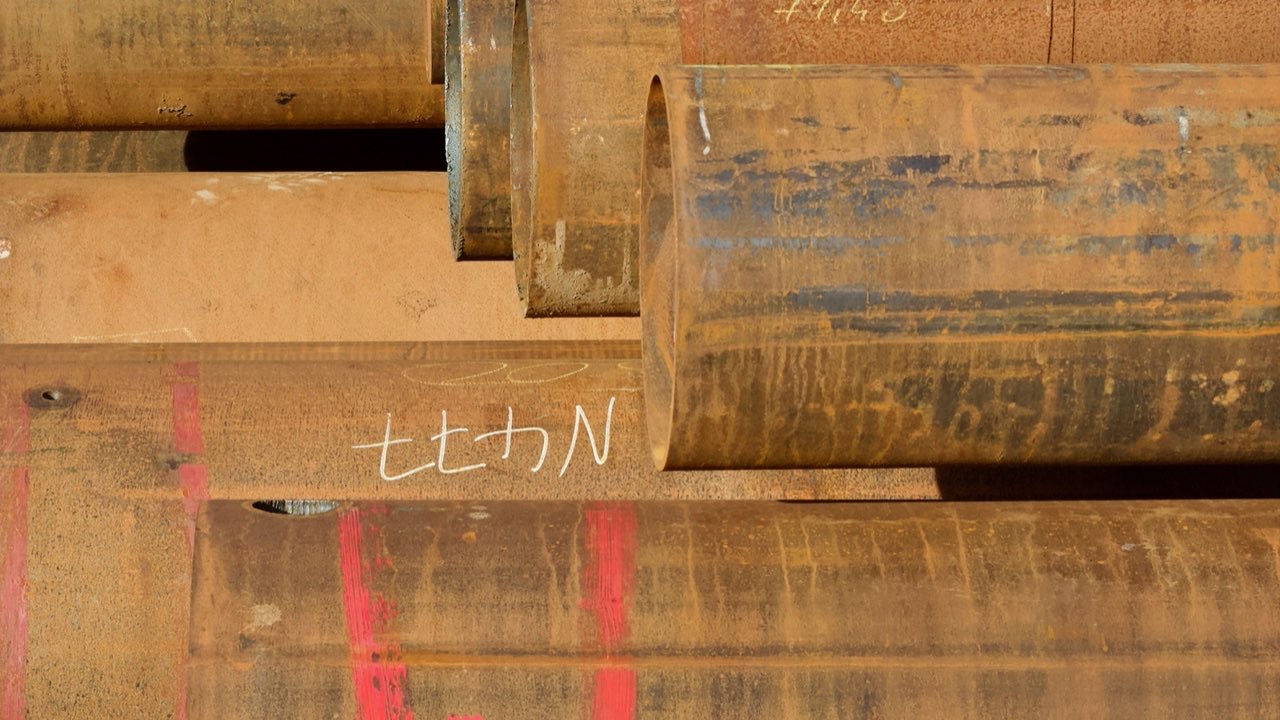
Before You Take the Job: How to Budget Forestry Mulcher Teeth for a Land Clearing Project
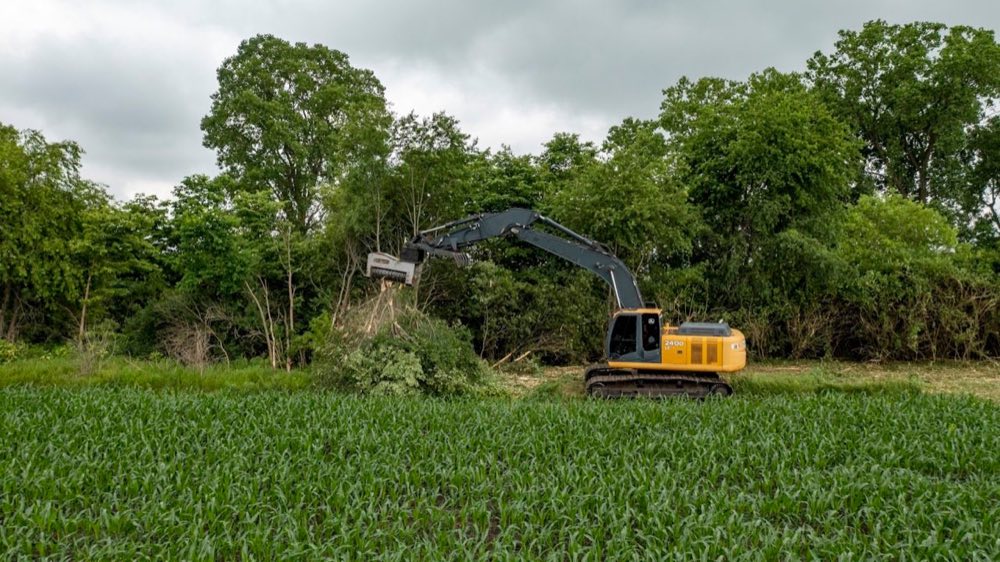
Most contractors price land clearing jobs by the acre. Tooth consumption doesn’t work by the acre — it works by what’s on those acres, what’s under them, and how the machine gets run. When the estimate and the reality don’t match, the gap almost always comes from treating tooth cost as a flat rate rather than something that varies with conditions.
Getting this right before a project starts is worth more than any discount on the teeth themselves.
The Variables That Actually Drive Consumption
Acreage is a proxy for work, not a measure of it. Two five-acre jobs can produce tooth consumption that differs by a factor of ten, depending on what’s being cleared.
Vegetation density and species matter most. Soft brush and small-diameter softwood are light on teeth — a set can last through significant acreage before needing rotation or replacement. Mature hardwood stands, dense vine tangles, or heavy slash left from previous timber operations load the drum harder and pull through carbide faster. Stumps are the most aggressive condition: the tooth isn’t cutting fiber, it’s grinding through dense wood at the root collar, often mixed with grit and small stones. A job that’s mostly stump grinding needs three to five times the tooth budget of a comparable acreage of brush.
Soil type is the second variable, and it’s often underestimated because it’s invisible until the drum touches it. Sandy or gritty soil that gets kicked up into the cutting zone abrades teeth faster than the vegetation does. Rocky ground — embedded stones, surface rock, frost-heaved material — can end a set of carbide teeth in hours if the operator isn’t keeping the drum off the soil. Clay-heavy soil with minimal rock is the kindest ground type. Terrain that looks similar on a site visit can have radically different geology underneath.
Building a Consumption Estimate
The approach that actually works is to break the project into zones by vegetation and soil type, estimate hours per zone, and apply a per-hour consumption rate to each zone separately.
Start with production rate: how many acres per hour does this machine do in these conditions? In light brush, a mid-size mulcher might cover 0.5 to 1.5 acres per hour. In heavy hardwood or stump-heavy ground, that drops to 0.1 to 0.3 acres per hour. Total hours per zone follows from acreage divided by production rate.
Then apply tooth life by condition. In light duty, carbide teeth on a well-maintained machine might last 80 to 150 hours. In heavy hardwood or mixed stump work, 25 to 50 hours is more realistic. In genuinely rocky or gritty conditions, plan for the low end or below. Divide total hours by expected tooth life to get estimated replacement cycles per zone. Multiply by the number of teeth on the drum.
A drum running 24 teeth in heavy hardwood for 40 hours, with expected tooth life of 30 hours, goes through roughly 1.3 replacement sets — call it two sets to have buffer, since a partial set replacement is the norm rather than one clean changeover.
The Buffer Question
Every project estimate should carry a tooth buffer, and the buffer should be sized to the uncertainty in the conditions, not to a fixed percentage.
If you’ve worked the site before or know the geology well, a 20 to 25 percent buffer over your base estimate is usually enough. If you’re working new ground with limited site information, or if the site visit revealed anything uncertain — rock outcrops, unknown previous land use, variable vegetation density — budget 50 percent over base and plan to return unused stock.
The cost of carrying extra teeth on a job is the per-tooth cost of that inventory. The cost of running short is the machine sitting idle while you wait for a delivery, plus whatever schedule pressure that creates downstream. On any job where downtime has a real daily cost — a contract with completion milestones, a crew billing by the day, subcontractors scheduled to follow — the buffer inventory almost always pays for itself the first time it prevents a stop.
What This Looks Like in Practice
A 15-acre clearing job with mixed conditions: 8 acres of light brush and softwood, 5 acres of mature hardwood, 2 acres of dense stump grinding in rocky ground.
Light brush section: estimated 10 hours at 0.8 acres/hour. Tooth life 120 hours. Consumption: 10/120 = 0.08 sets, essentially no replacement needed in this section.
Hardwood section: estimated 25 hours at 0.2 acres/hour. Tooth life 40 hours. Consumption: 25/40 = 0.625 sets — plan for one replacement.
Stump/rocky section: estimated 20 hours at 0.1 acres/hour. Tooth life 20 hours. Consumption: 20/20 = 1 full set replacement, possibly more if rock contact is significant.
Total base estimate: one to two full sets. With a 40 percent buffer for the uncertain rocky section: carry three sets minimum. That’s the number that goes into the job cost, not a generic per-acre rate.
For anyone building this kind of estimate for a mulching project, understanding the forestry mulcher teeth lifespan by material and condition is the foundation — the per-hour life figures you plug into this math come from knowing how carbide and steel teeth behave differently across vegetation and soil types.
The Part Most Estimates Get Wrong
The estimate above works if you know which section of the job is which. The mistake most operators make is treating the whole job as average conditions and applying a single tooth life number across everything.
The stump grinding section in the example above accounts for 2 of 15 acres — 13 percent of the acreage — but drives nearly half the tooth consumption. If you estimated at average conditions, you’d undercount teeth by 30 to 40 percent and potentially run short in the section where stopping to wait for parts is most disruptive.
The fix is simple: walk the site, identify the hard sections, and budget those separately. The calculation takes 20 minutes. The alternative is finding out mid-job that your tooth estimate was off in the worst possible location.